How Do OKX and Binance Compare for Crypto Traders in 2025? A Deep Review
When evaluating the top crypto exchanges, two names consistently dominate the conversation: OKX and Binance. For any trader looking to enter or expand in the digital asset space, understanding how these platforms stack up against each other is critical. This review delves into their core features, security protocols, fee structures, and overall user experience to help you make an informed decision.
**Security and Trustworthiness**
Both exchanges have robust security measures, but their histories differ. Binance, the world’s largest exchange by volume, has faced regulatory scrutiny in various jurisdictions but maintains a substantial Secure Asset Fund for Users (SAFU) to cover potential losses. OKX, while also a major player, has focused on transparency through regular proof-of-reserves audits. Both platforms offer two-factor authentication (2FA), withdrawal whitelists, and cold storage for the majority of funds. In terms of trust, Binance’s sheer market presence often gives it an edge in liquidity, while OKX appeals to users who prioritize verifiable asset backing.
**Trading Features and Product Range**
Binance is renowned for its extensive product ecosystem. From spot and margin trading to futures, options, and even a decentralized exchange (DEX), it covers almost every trading need. It also offers staking, savings, and launchpad for new token sales. OKX is similarly comprehensive, providing spot, margin, perpetual swaps, and options trading. A standout feature for OKX is its "Trading Bot" and "Copy Trading" tools, which are highly intuitive for beginners. Both exchanges support a wide array of altcoins, though Binance typically lists new projects faster, which can be a key factor for early-stage investors.
**Fee Structure and Liquidity**
Fee competition between these two giants is fierce. Binance uses a tiered fee structure based on 30-day trading volume and BNB holdings, with spot trading fees starting at 0.1% for makers and takers. Using BNB for fees offers a further discount. OKX employs a similar model, with standard spot fees also at 0.1% for makers and takers. However, OKX often offers lower fees for futures trading, and users holding OKB (OKX’s native token) can receive up to 50% fee discounts. In terms of liquidity, Binance generally leads due to its larger user base, resulting in tighter spreads on major trading pairs. OKX, however, is no slouch and provides deep liquidity, especially in Asian markets.
**User Experience and Interface**
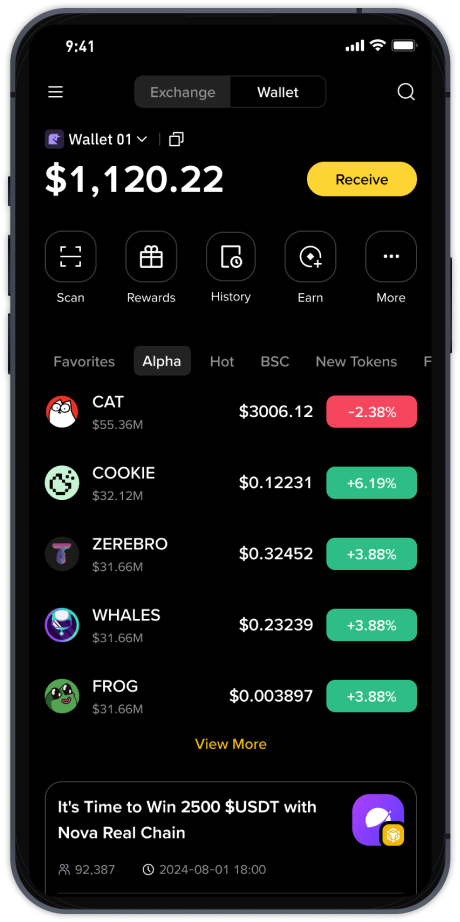
Both platforms cater to beginners and professionals. Binance’s interface can feel overwhelming due to the sheer number of options, but its mobile app is highly polished. OKX offers a cleaner, more streamlined design that many new traders find easier to navigate. Both provide advanced charting tools powered by TradingView, but OKX’s UI is often praised for its simplicity and speed. Additionally, OKX has a strong focus on Web3 integration, making it a gateway for users interested in decentralized applications directly from the exchange.
**Geographic Availability and Compliance**
A major differentiator is regional access. Binance has restricted services in several countries due to regulatory pressures, including the United States (where Binance.US operates separately). OKX, while also restricted in the US, maintains a strong presence in Europe, Asia, and the Middle East. For traders outside of restricted regions, both platforms offer reliable fiat on-ramps and bank transfers.
**Final Verdict**
Choosing between OKX and Binance largely depends on your specific needs. If you prioritize the widest selection of tokens, the highest liquidity, and a proven track record in security, Binance remains the gold standard. However, if you value a more user-friendly interface, innovative trading tools like copy trading, and competitive futures fees, OKX is an excellent alternative. For most international traders, having accounts on both platforms provides the flexibility to arbitrage, access different token listings, and leverage the best features each exchange offers. As always, remember to store the majority of your assets in a private wallet and only keep what you need for trading on the exchange.